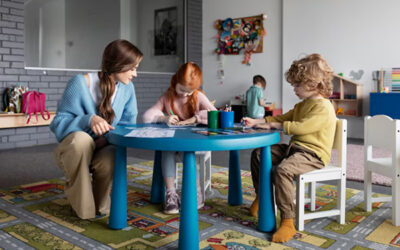
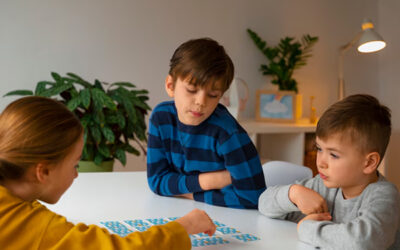
Language growth does not only happen in classrooms or structured sessions. It develops naturally through daily moments, shared routines, and simple conversations. For families in Lake Park, understanding how Everyday interactions for language support can shape communication skills is an empowering step. From morning greetings to playtime chatter, each interaction creates opportunities for learning. At My Favorite Therapists West Palm Beach, we believe that meaningful language growth begins where children feel most comfortable—right at home and in familiar environments.
Why Everyday Interactions Matter for Language Development
Children learn language by hearing it used in real situations. Everyday interactions for language support allow them to connect words with actions, emotions, and social cues. When caregivers talk during meals, walks, or errands, children are exposed to natural sentence patterns and vocabulary. These repeated experiences help them understand how communication works, not just what words mean. Over time, these small moments build confidence in expressing thoughts and responding to others.
Understanding Language Growth in Daily Life
Language growth includes listening, understanding, speaking, and responding. It is not limited to saying new words. Children learn when adults describe actions, ask questions, and respond with interest. In Lake Park homes, daily routines such as getting dressed or preparing snacks can become rich learning experiences. When adults slow down and talk through these routines, children hear language tied directly to their world.
Conversation Starters That Encourage Communication
Conversation starters play a key role in everyday interactions for language support. Open-ended questions invite children to think and respond rather than repeat. Asking “What do you think will happen next?” or “How did that make you feel?” encourages longer responses. Even simple prompts like “Tell me about your drawing” help children organize thoughts and practice storytelling. These moments show children that their words matter.
Learning Through Play at Home and Outdoors
Learning through play is one of the most natural ways children develop language. Pretend play, building blocks, or outdoor games create shared experiences where language flows easily. While playing, adults can label objects, describe actions, and model new words. In Lake Park parks or backyards, playing catch or exploring nature can lead to conversations about colors, sizes, and feelings. Play keeps language learning enjoyable and pressure-free.
Using Daily Routines as Language Opportunities
Daily routines are predictable, which helps children feel secure and ready to communicate. These moments naturally support everyday interactions for language support because they repeat each day and feel familiar. Simple routines can become meaningful language moments when adults talk through what is happening and invite responses. Examples of language-rich daily routines include:
- Morning routines like getting dressed while naming clothing items and actions
- Mealtime conversations that include describing food, asking preferences, and taking turns speaking
- Bath time where body parts, temperatures, and actions are named
- Bedtime routines that involve reflecting on the day or talking about plans for tomorrow
Talking during these routines helps children learn sequencing, descriptive words, and basic conversation flow without pressure.
Communication Reinforcement Through Active Listening
Communication reinforcement happens when adults clearly show they are listening and responding with interest. Nodding, repeating what a child says, and expanding on their words all signal that communication is valued. For example, responding thoughtfully helps children feel heard without correction or pressure.
The Power of Modeling Language
Children learn language by hearing how it is used during daily moments. Modeling clear and calm speech during everyday interactions for language support helps children recognize sentence patterns and tone. Narrating actions like “I am washing the dishes” introduces vocabulary naturally and consistently.
Encouraging Turn-Taking in Conversations
Turn-taking is a foundation of communication that develops through shared exchanges. Simple back-and-forth interactions help children understand how conversations work. Pausing during play or storytelling gives children time to respond, building confidence and reinforcing that communication is a shared experience.
Reading Together as a Daily Interaction
Reading together supports language growth through shared attention and meaningful discussion. Asking questions about pictures, predicting what may happen, and connecting stories to real life strengthen understanding. Even brief reading sessions support everyday interactions for language support within Lake Park families.
Supporting Language Growth in Social Settings
Social settings offer natural chances for communication reinforcement. Playdates, family gatherings, and community events allow children to practice greetings, requests, and responses. Adults can guide gently by modeling polite phrases and encouraging children to express needs. These experiences help children generalize language skills beyond the home.
Reducing Pressure and Following the Child’s Lead
Language grows best when children feel relaxed. Following the child’s interests keeps interactions meaningful. If a child is fascinated by trucks, talking about trucks during play or walks keeps them engaged. Everyday interactions for language support should feel natural rather than forced.
Consistency Across Caregivers
When caregivers use similar approaches, children receive clear messages about communication. Sharing strategies among family members supports steady language growth. Simple habits like narrating actions or using conversation starters can be practiced by everyone involved in the child’s day.
How My Favorite Therapists West Palm Beach Supports Families
At My Favorite Therapists West Palm Beach, we guide families in Lake Park on how to weave language support into daily life. Our focus is on helping caregivers feel confident using everyday interactions for language support. By understanding the value of play, routines, and communication reinforcement, families can support language growth in ways that fit naturally into their routines.
Long-Term Benefits of Everyday Language Support
Consistent everyday interactions for language support help children build strong communication skills over time. These skills support learning, social connections, and self-expression. When language is part of daily life, children are more likely to communicate with confidence and curiosity.
Creating a Language-Rich Environment at Home
A language-rich environment does not require special tools. It grows from talking, listening, and responding with care. Describing surroundings, sharing thoughts, and encouraging questions all contribute to language growth. In Lake Park homes, these habits turn ordinary moments into meaningful learning experiences.
Final Thoughts on Supporting Language Growth
Supporting language growth through everyday interactions is about connection. Each shared moment, conversation starter, and playful exchange adds to a child’s understanding of communication. By focusing on learning through play and communication reinforcement, families create a supportive environment where language grows naturally and confidently.
Frequently Asked Questions
How can everyday interactions support language growth?
Everyday interactions for language support help children connect words with actions and feelings through real-life experiences.
What are simple conversation starters for young children?
Open-ended questions like “What do you see?” or “What happened next?” encourage children to share more.
How does learning through play support communication?
Learning through play creates relaxed opportunities for children to use language while engaging in activities they enjoy.
What is communication reinforcement?
Communication reinforcement involves responding to and expanding on what a child says to show that their words are valued.
How can families in Lake Park support language daily?
Families can talk during routines, play together, read daily, and use everyday interactions for language support at home and in the community.