Children communicate from a very young age, even before words appear. Facial expressions, gestures, sounds, and early speech attempts are all ways children share their needs and emotions. When communication challenges arise, children may feel misunderstood or frustrated. Child communication therapy supports children by guiding them toward clearer and more confident expression. Families in Lake Park often look for ways to support their children’s communication growth, and My Favorite Therapists West Palm Beach focuses on helping children communicate comfortably in everyday life.
Understanding The Purpose Of Child Communication Therapy
Child communication therapy is designed to support how children understand language, use words, form sounds, and interact with others. It addresses challenges related to speech clarity, sentence structure, vocabulary use, and social communication. Some children may struggle to explain ideas, while others may find it hard to follow spoken instructions. Child communication therapy meets children where they are and gently guides them through play-based and routine-focused activities that encourage communication. The main goal is to help children share thoughts and feelings in ways that others can understand.
Why Clear Expression Is Important For Children
Being able to express thoughts and emotions helps children feel secure and connected. When children cannot communicate effectively, they may show frustration through behavior or withdrawal. Clear expression supports emotional balance, learning, and social interaction. Child communication therapy helps children replace confusion with communication tools they can rely on. As children learn to express themselves, they often become more engaged with peers, family members, and learning environments.
Common Signs A Child May Need Support
Children grow at different rates, but some communication patterns may suggest the need for expressive language support. These signs include limited vocabulary for age, difficulty forming sentences, unclear speech sounds, trouble understanding directions, or challenges with conversation skills. Some children rely heavily on pointing or gestures, while others may repeat words without clear meaning. Speech and language therapy addresses these concerns by building foundational communication skills in a supportive way.
How Child Communication Therapy Sessions Usually Work
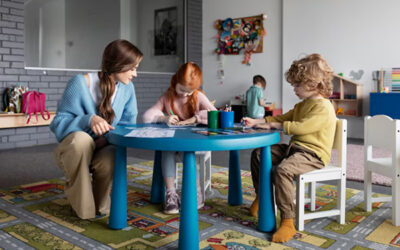
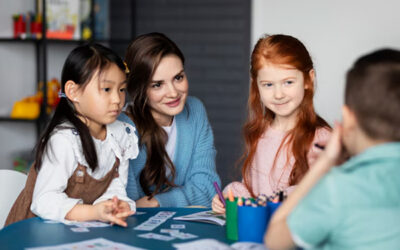
Child communication therapy sessions often feel like guided play rather than structured lessons. Activities may include games, storytelling, picture cards, and role-playing daily situations. Therapists model words and sounds while encouraging children to try new forms of communication. Repetition and consistency help children feel comfortable practicing new skills. Child communication therapy also includes guidance for caregivers so progress continues outside the therapy space.
Supporting Expressive Language Development Through Therapy
Expressive language support focuses on helping children use words, phrases, or alternative communication methods to share ideas. This may include naming objects, describing actions, making requests, or answering questions. Child communication therapy often uses songs, visuals, and interactive activities to encourage expression. For children who are not yet speaking, picture systems or simple signs may be introduced to give them a way to communicate. These methods often support spoken language development over time.
Helping Children Improve Speech Sound Clarity
Some children understand language well but struggle with pronunciation. Speech and language therapy supports children in learning how sounds are formed and combined. Activities may focus on listening skills, mouth movement awareness, and gentle sound practice. Child communication therapy presents speech practice in a playful and encouraging way. As speech becomes clearer, children often gain confidence and show more interest in communicating with others.
Developing Social Communication And Interaction Skills
Communication includes more than spoken words. Social skills such as eye contact, turn-taking, listening, and responding appropriately are important for building relationships. Child communication therapy supports these skills through interactive play, group activities, and guided conversations. Children learn how to start conversations, respond to others, and share attention. These skills help children feel more comfortable in social settings and support meaningful connections.
Understanding Language ABA Therapy In Lake Park
Language ABA therapy Lake Park services focus on structured learning methods that support communication and behavior. This approach uses clear goals, repetition, and positive reinforcement to teach communication skills. When combined with child communication therapy, language ABA therapy Lake Park can support children who benefit from consistent routines and predictable learning patterns. This approach is often helpful for children who need extra structure to develop language use in daily situations.
The Role Families Play In Communication Progress
Family involvement is an important part of child communication therapy. Caregivers learn practical strategies to support communication during everyday routines such as meals, playtime, and outings. Simple techniques like offering choices, waiting for responses, and expanding on a child’s words support expressive language growth. Speech and language therapy often includes caregiver guidance so children experience consistent communication support across environments.
Emotional Growth Linked To Better Communication Skills
As communication skills develop, emotional changes often follow. Children may experience fewer emotional outbursts and show increased confidence. Child communication therapy helps children express feelings such as frustration, excitement, or fear using words or symbols. Being able to communicate emotions supports self-regulation and reduces misunderstandings. These emotional benefits often extend into social and learning situations.
Communication Skills And Classroom Learning Connection
Communication plays a major role in learning and classroom participation. Children need communication skills to follow instructions, ask questions, and share ideas. Speech and language therapy supports listening, understanding stories, and explaining thoughts. Child communication therapy also helps children engage in group activities and classroom discussions. These skills support learning progress and positive interactions with teachers and peers.
Respecting Each Childs Individual Communication Journey
Every child develops communication skills at their own pace. Some children show quick changes, while others need more time and repetition. Child communication therapy respects individual progress and focuses on steady improvement rather than comparison. Celebrating small communication successes helps children stay motivated and confident. Patience and consistency play an important role in long-term communication development.
My Favorite Therapists West Palm Beach In Lake Park
Families seeking child communication therapy in Lake Park can find support through My Favorite Therapists West Palm Beach. The focus is on creating a welcoming environment where children feel comfortable expressing themselves. Therapy sessions encourage natural communication while addressing speech, language, and social interaction needs. By including expressive language support, speech and language therapy, and language ABA therapy Lake Park options when needed, children receive guidance that supports everyday communication.
Long Term Impact Of Communication Therapy Support
Communication skills learned through child communication therapy support children throughout life. Clear expression helps with relationships, learning, and independence. Children who develop strong communication abilities are better prepared to share needs, thoughts, and emotions as they grow. Early support helps create a foundation for confident communication in future settings.
Encouraging Daily Communication Opportunities At Home
Communication development continues outside therapy sessions. Reading together, playing interactive games, and talking during daily routines all support language growth. Child communication therapy encourages families to create relaxed opportunities for children to communicate without pressure. Responding positively to attempts helps children feel valued and understood.
Frequently Asked Questions About Child Communication Therapy
What is child communication therapy used for?
Child communication therapy supports children who have difficulty expressing themselves or understanding language, focusing on speech, language, and social interaction.
When should a child start communication therapy?
Children can begin communication therapy at many ages, including early childhood, when communication challenges first appear.
How does speech and language therapy affect behavior?
Speech and language therapy helps children express needs and emotions, which may reduce frustration-related behaviors.
What does expressive language support involve?
Expressive language support helps children use words, sentences, or alternative methods to share ideas and feelings.
Why is family involvement important in therapy?
Family involvement helps children practice communication skills daily, supporting steady progress across environments.